People who want to decorate their living spaces with custom furniture often wonder how much it will cost. Well, the cost of these pieces varies widely and depends on several factors.
The design of custom furniture is handcrafted, and premium-grade products are used to refine its look. In today’s article, we’ll discuss all these factors so you know what you’re actually paying for when buying those pieces.
Type of Material
Timber comes in different species, and its cost varies widely, which ultimately affects custom furniture costs. Mass-produced furniture is usually available at discounted rates and uses veneers over particleboard to minimize costs.
Similarly, reclaimed or recycled timbers are also used to add unique character to the furniture. But it’s not a cheaper option, as careful additional preparation and precise treatment are required to get the desired shape.
Another factor to consider is whether the raw material is sourced sustainably, as responsible forest management increases costs.
Build Quality
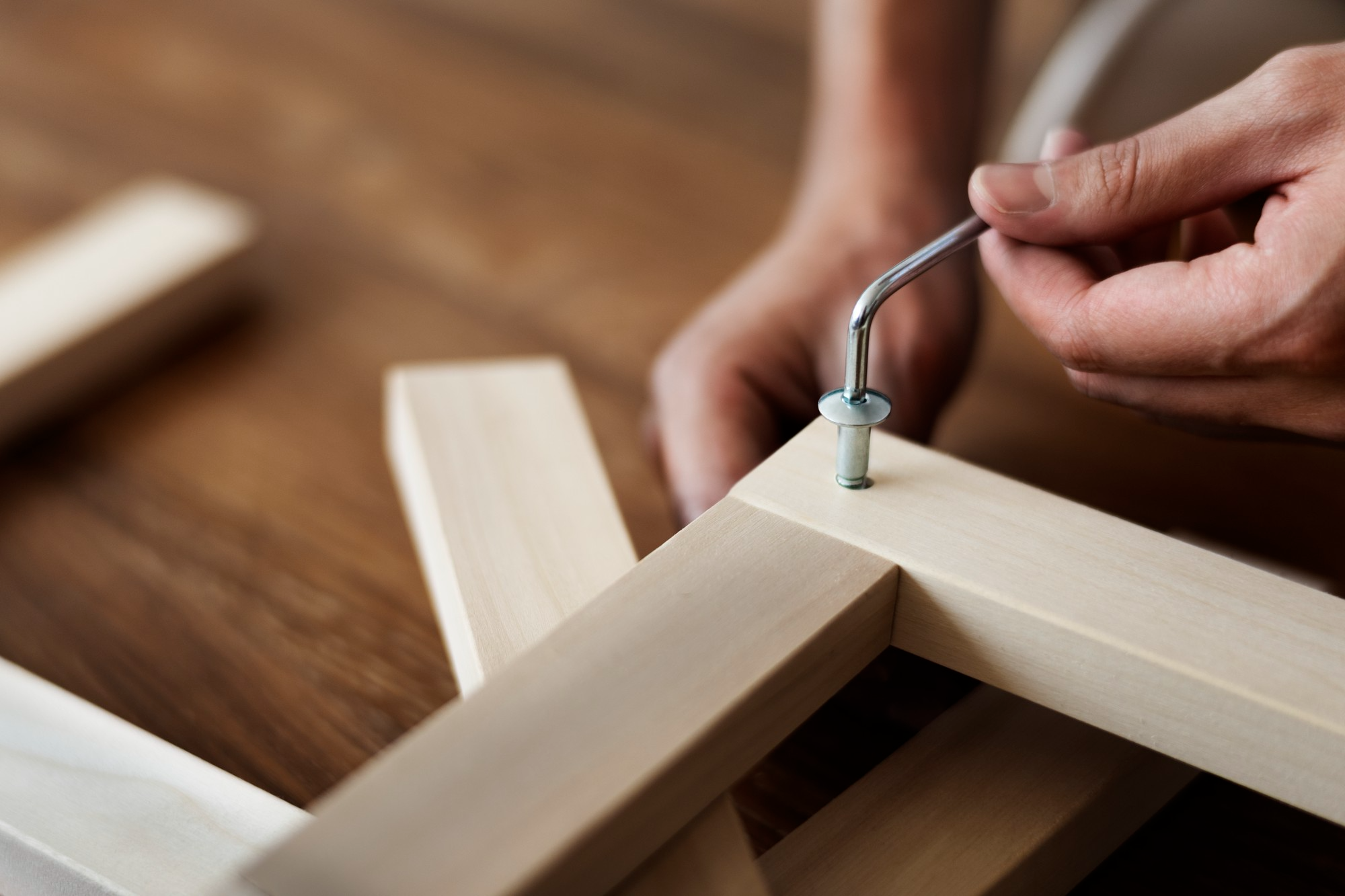
Higher build quality doesn’t appear on its own. It’s the result of expert labor, complex design, and superior materials, all of which raise the cost. Usually, the glue and staples are cheap. But high-end furniture uses complex interlocking joints that offer extraordinary durability.
Similarly, premium sofas use kiln-dried hardwood to provide greater stability. High-density foam is used instead of a cheap foam to make the cushioning more comfortable.
Mass-produced furniture is made through machines. But custom artisan furniture requires hours of manual work, so it costs more.
Design Overhead
If the furniture is being built from an existing design? Or is the designer doing everything from scratch? Before a single piece of wood is cut, the design goes through brainstorming and physical prototyping.
The unique or minimalist designs also need hidden joinery and custom-molded parts. This increases material waste and the risk of mistakes, which the designers pass on to the buyers.
During the finishing process, several steps are completed to achieve a specific style. Spray booths and rapid-drying lacquers are used to make them look elegant. Similarly, custom pieces require hand-applied oils and multi-step staining.
Volume
Is the furniture item being designed and built as a one-off? Or are items mass-produced? The per-unit cost of the product decreases significantly when multiple units of the same design are produced simultaneously. It’s because there will be less time spent on sourcing raw materials or taking measurements (on a per-item basis).
It doesn’t matter whether a factory is making 10 tables or 10,000 tables; the factory setup, machine calibration, and design costs happen just once. When you make more units, this upfront cost is divided signficanlty.
This means that a one-off item will always cost more than mass-produced furniture.
Final Thoughts
Custom furniture definitely elevates the vibe of your living space, but keep in mind it costs a bit more for the reasons we’ve mentioned above. But paying that will be worth it, as the items will not only last longer but also give your rooms the extraordinary elegance they deserve.