The allure of mid-century modern design remains timeless, characterized by clean lines, organic curves, and a perfect blend of form and function. For collectors and homeowners alike, acquiring authentic pieces requires a discerning eye and a solid understanding of what makes a item valuable.
Whether you are furnishing a new apartment or adding a statement piece to your home, navigating the market can be challenging.
Authenticity and Provenance
The most important aspect of any collection is ensuring the authenticity of the pieces you choose. Many modern manufacturers reproduce classic designs, which can confuse buyers who are seeking genuine vintage items.
Always look for maker marks, stamped dates, or designer labels often found underneath tables, inside drawers, or on the back of chairs.
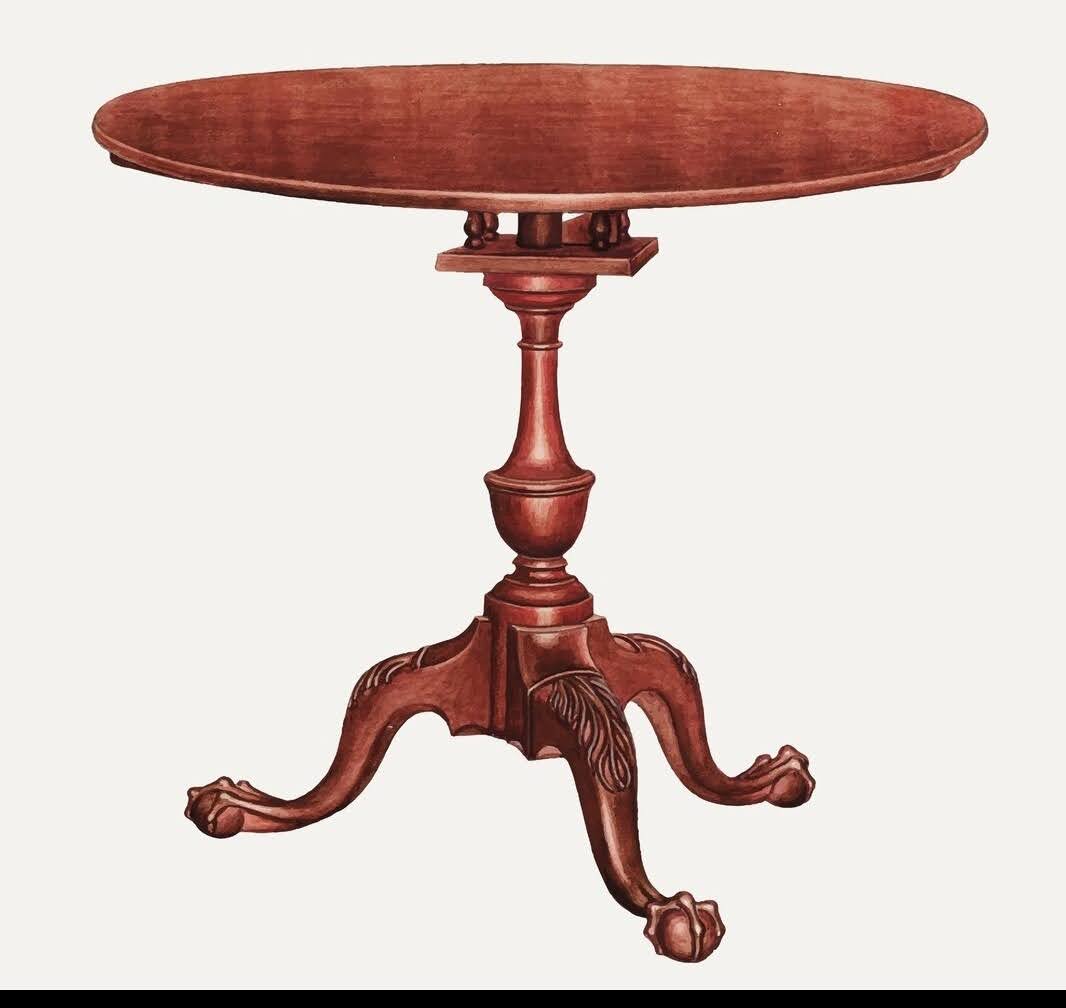
When investing in high-quality mid century antique furniture, verifying its origin and designer is crucial. If a piece lacks a clear mark, research the specific construction techniques typical of the era, such as joinery methods and original hardware, to distinguish it from later replicas.
Assessing Material Quality
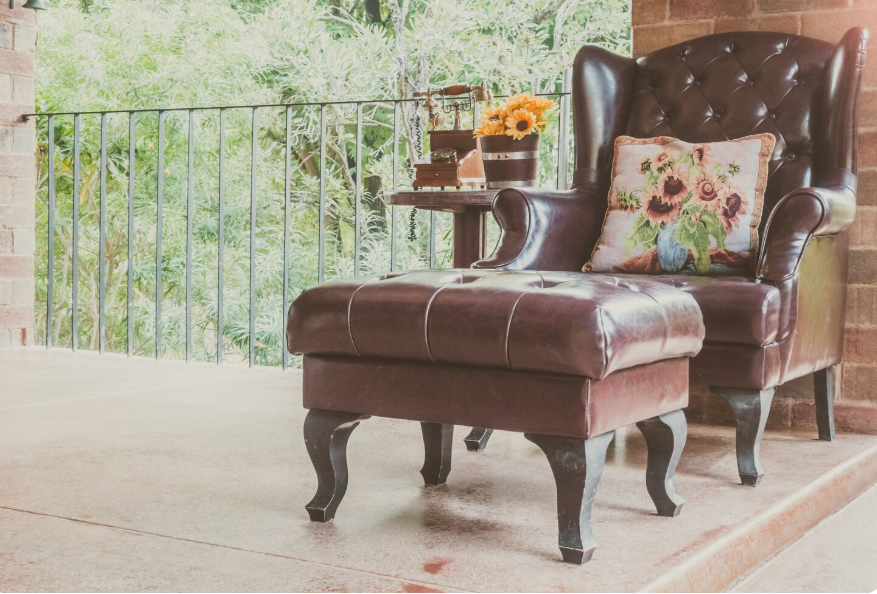
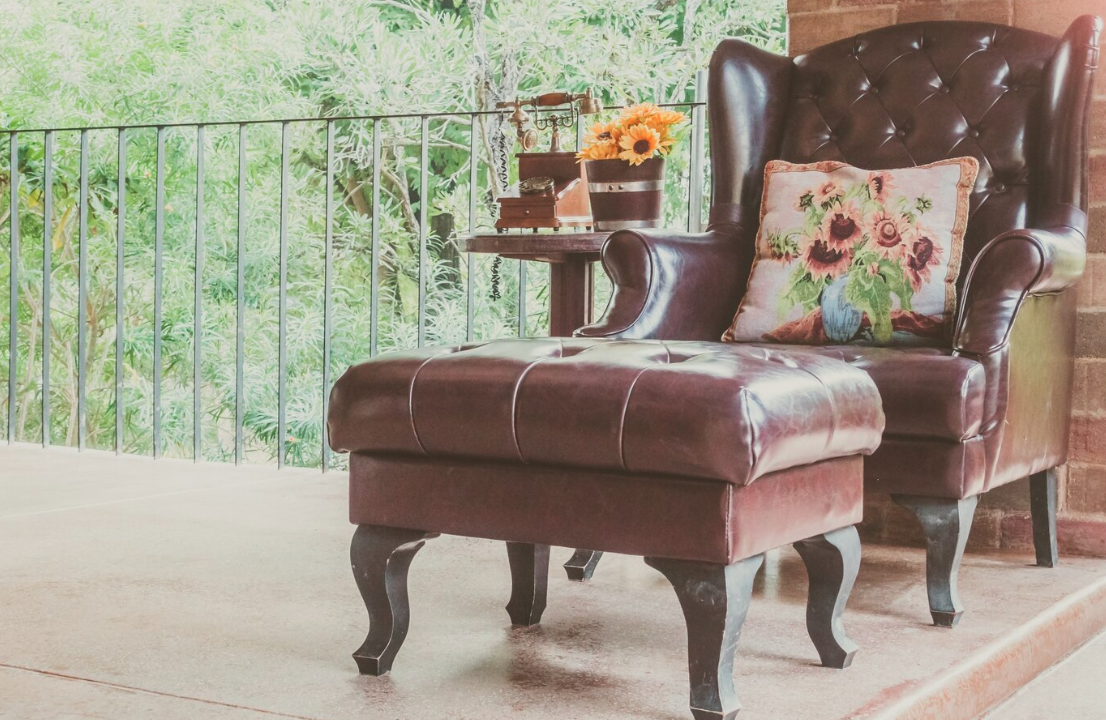
Mid-century designers prioritized high-quality materials, such as teak, walnut, rosewood, and leather. Authentic pieces were built to last, showcasing the craftsmanship of the era.
Examine the wood grain and weight of the furniture. Genuine items often feature solid wood construction or high-quality veneers that have aged gracefully.
Avoid pieces with excessive particle board or poor-quality laminate, as these are typically signs of mass-produced, newer items.
Understanding the materials used in mid-century antique furniture helps you identify pieces that are truly worth the investment and capable of lasting for many more decades.
Evaluating Structural Integrity
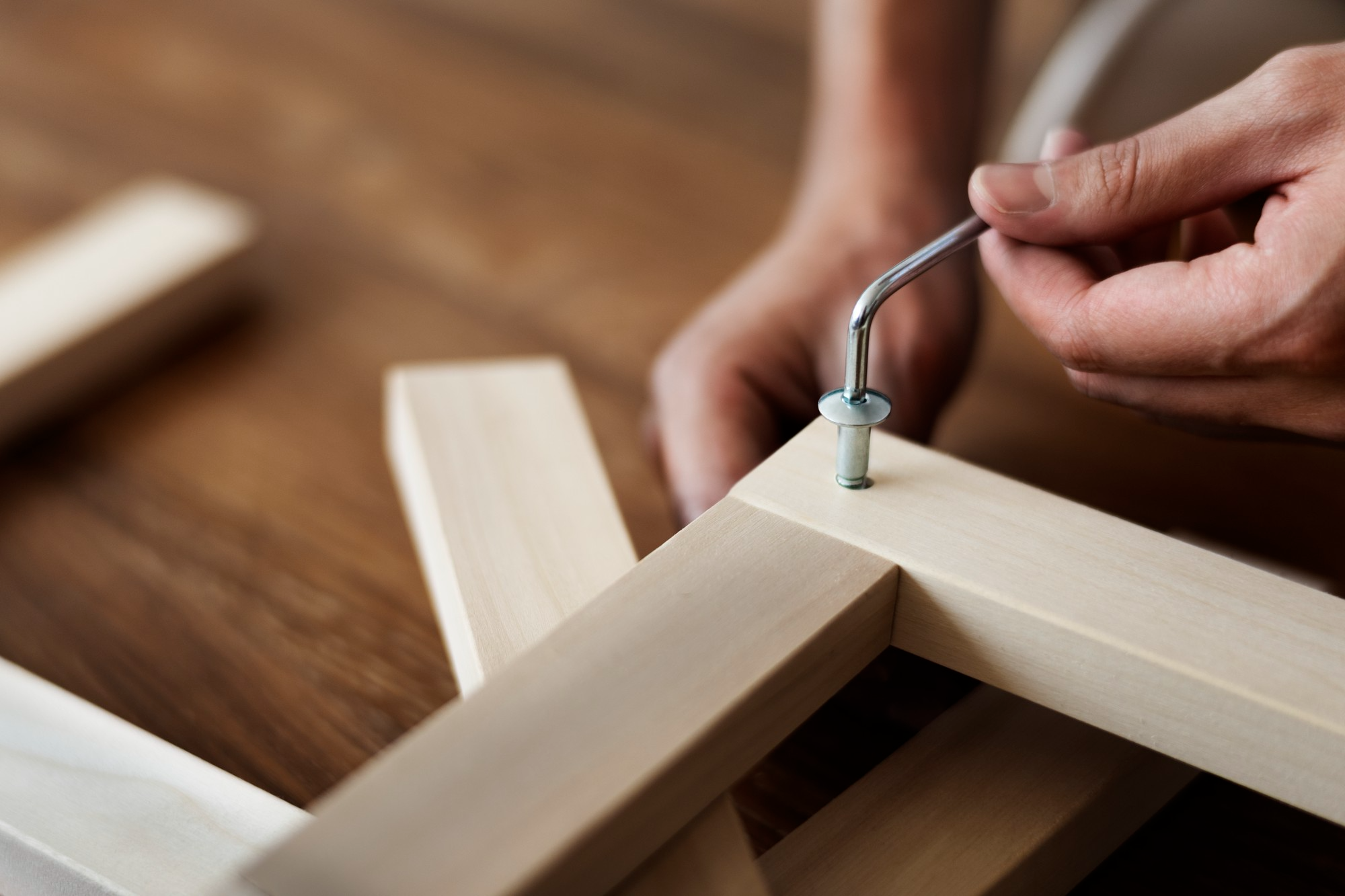
Even the most beautiful design is impractical if the frame is unstable. Always test the sturdiness of a chair, table, or storage unit before committing to a purchase.
Check for signs of wobbly legs, loose joints, or cracks in the frame. While some minor wear is expected for vintage items, significant structural damage can be costly to repair properly.
Ensure that drawers slide smoothly and doors open without friction. Inspecting the structural integrity of mid-century antique furniture ensures that you are bringing home a piece that is as functional as it is aesthetic.
Condition and Restoration Needs
When you fall in love with a vintage piece, you must decide how much restoration work you are willing to undertake. Some buyers enjoy the process of refinishing wood or reupholstering fabric, while others prefer items in mint condition.
Be realistic about your skills or your budget for professional restoration. Deep scratches, water damage, or shredded upholstery will require significant time and financial commitment. Always balance the initial purchase price with the potential cost of bringing the item back to its original glory.
Design Style and Scale
The beauty of this design movement lies in its minimalist profile, but scale is vital. A piece might look stunning in a vast gallery but overwhelming in a small dining room.
Measure your space carefully and consider how the furniture will interact with your existing decor. Mid-century design is known for being space-efficient and airy, so choose pieces that maintain that sense of balance.
Integrating mid-century antique furniture into your home requires an eye for proportion to ensure that your room feels curated rather than cluttered.