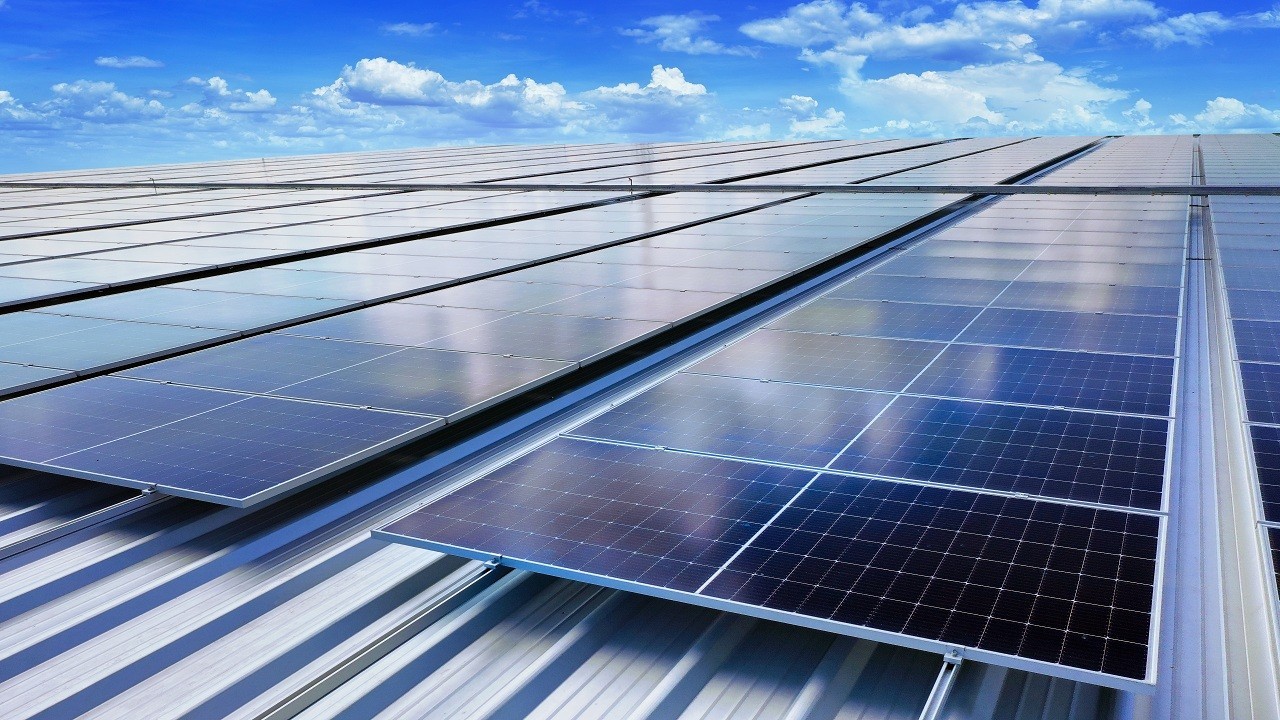
The use of solar panels is increasingly becoming popular worldwide with the progress in technology and the reduction in price. The installation of solar panels in residential homes is one of the large-scale methods of saving electricity and making the environment cleaner.
Nonetheless, there are various issues that have to be taken into account prior to the installation of solar panels. The list of things to remember is as follows-
1. The Roof is Good and the Structure is well-integrated
It is advisable to inspect the roof and the roofing before acquiring a solar panel. To avoid conflicts of interest in the future, ensure that your roof is not in dire need of repair, and ensure that the life span of the solar panels remains the same as the life span of the roof. Also, ensure the weight-bearing capacity of the roof to avoid the possible collapse or destruction of the roof due to the additional weight of the panels. Proper assessment of the applicability of your roof to the installation will be made by hiring a structural engineer or any other qualified person. Reinforce the roof in case of more weight.
2. Roof Shape, Space And Orientation
The roof shape, space, and roof orientation are some of the parameters to be considered during the installation of a solar panel. The best roofs to be used would be south or west facing, as they get the maximum amount of sunlight throughout the day. South-facing roofs get the maximum level of sunlight throughout the day, and west-facing roofs get the maximum level of sunlight throughout the day in the afternoon, which is the sunniest time of the day. To install the panels it is required to have a good roof space, but still leave some room that can be used by the one residing there. Nevertheless, small and strangely shaped roofs or those that have some obstructions, such as chimneys, may restrict the installation of panels and influence the energy production. The roof shape and direction of the panels also affect the degree of efficiency, bearing in mind that the panels are placed in a manner that they absorb as much solar energy as possible.
3. Water Drainage
Solar panel systems tend to need more equipment, such as racking and wire harness, which tend to obstruct the natural flow of water on your roof. In case such elements disrupt the drainage pattern, water can be retained at the wrong location, leading to leakage and damage in the long term. To avoid them, it is urgent that you liaise with your contractor to ensure that the installation plan does not complicate or harm the natural drainage system of water in your roof, which will ensure that you are covered against water problems.
4. Weather Resistance
The climate, such as hail, lightning storms, and hurricanes, may be a huge threat to the life and performance of your solar panels. Ensure that the panels that you choose are weatherproof and that they are properly insured in case they get damaged. Expenses of fixing and replacing panels may end up being an expensive affair, but an investment in a high-quality panel with good weather resistance can help save these expenses. Besides, also make sure that you have warranties that cover weather damages in order to provide you with extra guarantee and protection for your investment.
5. Grid Connection
Something you should plan and communicate closely with your local utility provider about is to install your solar power system into the local grid. The first step is to become familiar with the process and the requirements, which might vary according to where you are. This will entail establishing the extent of the amount in the form of fees relating to the connection, such as application fees or inspection fees, and the time of connecting your system. As a normal course of things, you will need to submit an application and have your system tested to be of a safe and technical standard. You will also have to make an arrangement to have a bidirectional meter installed to monitor the amount of electricity you consume and the excess energy you are giving back to the grid.
6. Contractor Research
Conduct appropriate research on the contractors before the installation of solar panels. Begin by browsing the web or visiting and getting estimates from the various contractors, and compare prices and services. It is not merely their price but also their qualification, and ensure that they have the right qualification. In addition, look up the reviews and testimonials of customers to find out how well they do their work and how satisfied the customers are. The efficient contractor should also have a good track record and positive feedback. This careful strategy will enable you to undertake an informed choice, which will guarantee a successful installation, and you can be satisfied in the long run with your solar energy system.
7. Insurance
Make sure that the insurance you take on the panels covers any possibility of damage to the property within the installations. The process of laying out solar panels entails a lot of structural modification to the roof of your house, and unless it is covered effectively, you might incur high costs of repairs in case of any failure. Further, there is insurance that can be taken to cover accidents or damages that can occur as a result of extreme weather or any other unpredictable incident during or after installation. Always remember to consult your insurance company on what they cover and what other coverage they can offer to cover your investment and property.
8. Energy Requirement and Intake
An evaluation of the energy needs of your home and the energy consumption pattern should precede the installation of the solar panels. The first thing will be to go back and see your past electricity bills in order to be able to know your average monthly usage. Consider the changes in energy consumption in the future, such as the new appliances or the electric vehicles. The analysis will help in determining the size and capacity of the solar system that you would need. And also, what are your plans for your future energy? Are you going to cover all of your electricity consumption or just some of it? Understanding your power needs implies that you will not drain money on a small system or an oversized system that will not satisfy your power needs.