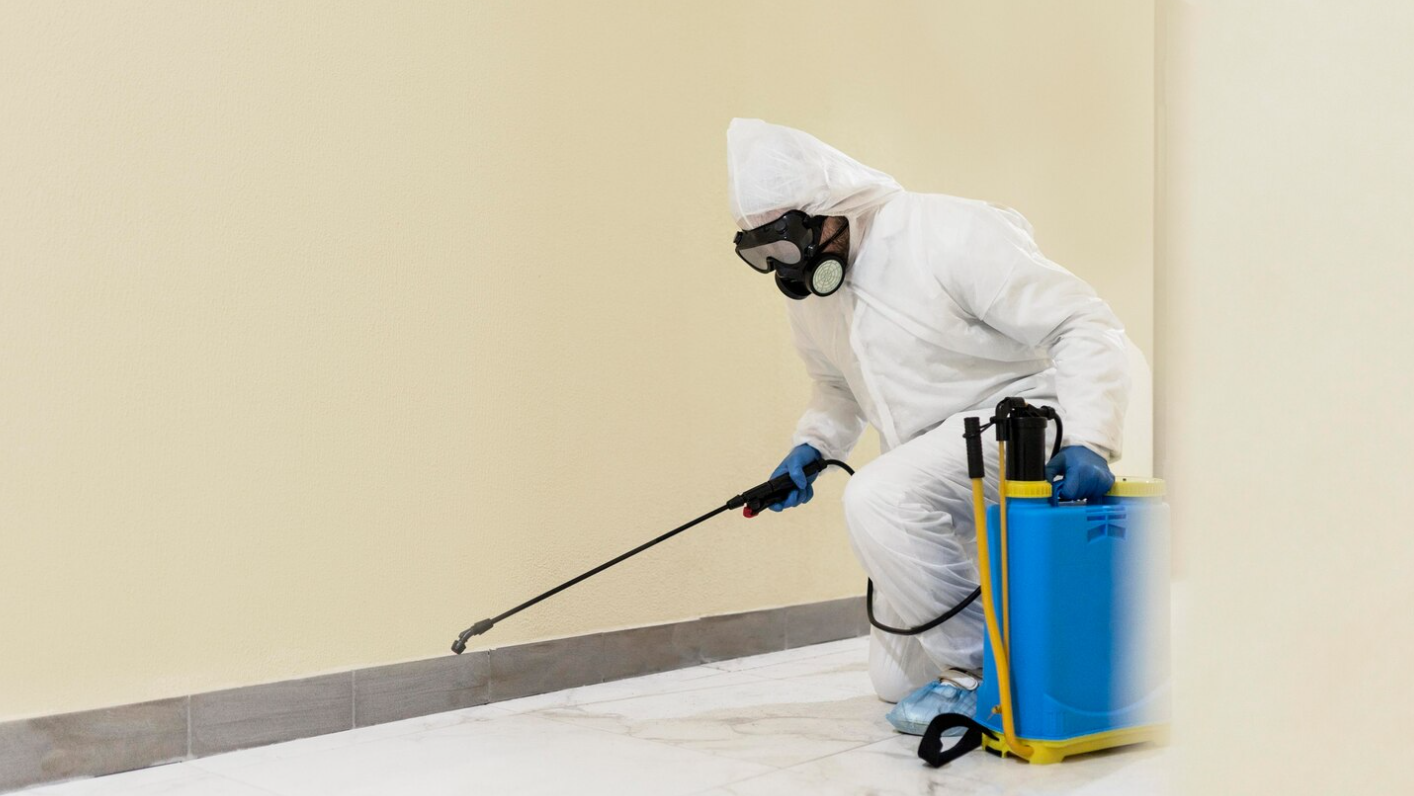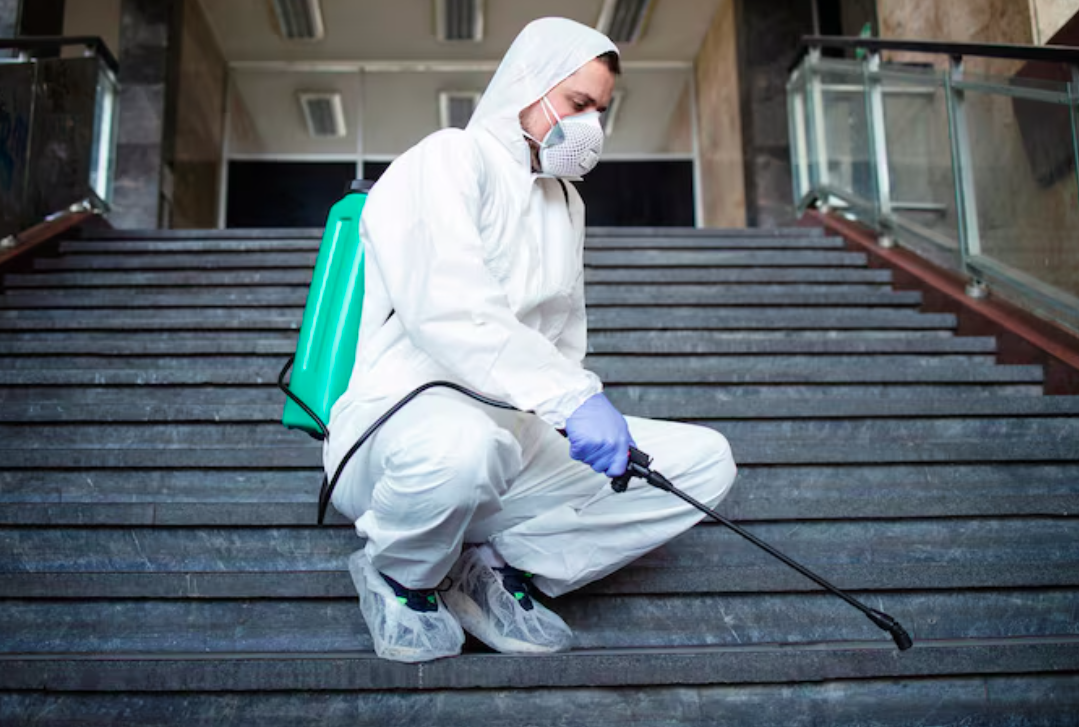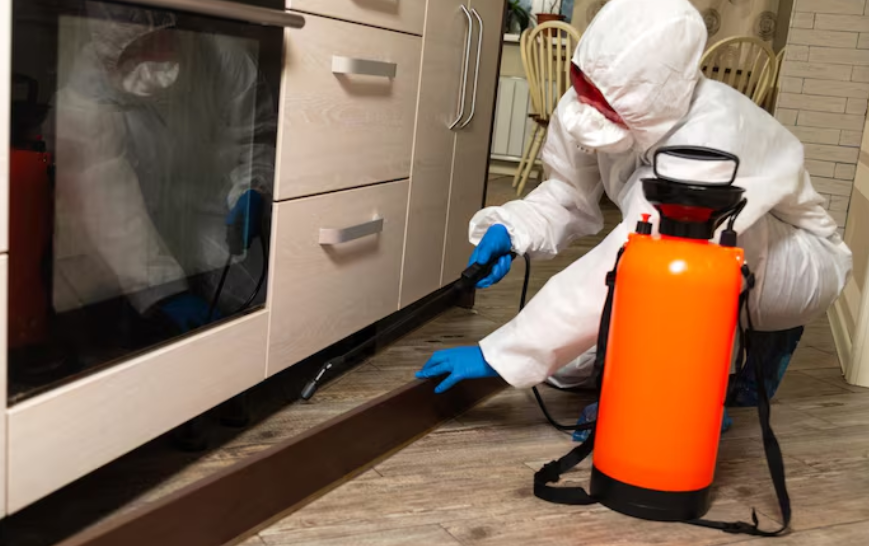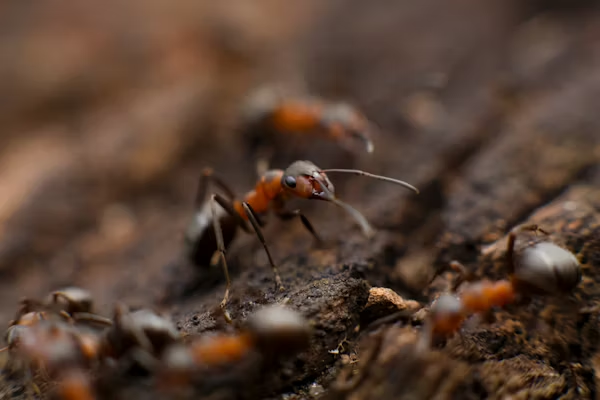
Commercial environments face different challenges from homes when dealing with pests. Offices, restaurants, warehouses, hotels, retail stores, healthcare facilities, and manufacturing sites often have larger spaces, more people, and constant movement of goods.
Because of these conditions, pests can spread quickly and create serious operational problems. Commercial pest control is designed to prevent, manage, and eliminate infestations while supporting business continuity and safety standards.
Health and Safety Protection
One of the primary reasons businesses need commercial pest control is to protect health and safety. Pests such as rodents, cockroaches, flies, and other insects can carry bacteria and contaminants that may affect employees, customers, and visitors. In food-related industries especially, pests can contaminate products and preparation areas. Maintaining a controlled environment reduces health risks and helps create safer workplaces.
Preserving Business Reputation
A company’s reputation can be affected rapidly by pest activity. Customers who notice insects in a restaurant, rodents in a shop, or pests in a hotel often develop negative perceptions of the business. In the modern digital environment, customer experiences can be shared instantly through reviews and social media.
Even a single incident can damage trust and influence future purchasing decisions. Commercial pest control helps businesses maintain professional standards and protect their public image.
Meeting Legal and Industry Requirements
Many industries operate under regulations that require businesses to maintain sanitary and safe environments. Food production facilities, healthcare settings, hospitality businesses, and retail operations may be subject to inspections and compliance standards.
Pest infestations can lead to penalties, failed inspections, or temporary closure. Regular commercial pest management supports compliance and demonstrates responsible operational practices.
Preventing Property Damage
Pests do not only create hygiene concerns; they can also damage physical assets. Rodents may chew electrical wiring, insulation, packaging materials, and structural components.
Termites and other destructive pests can weaken buildings and furniture. Damage may also extend to stored products and inventory. The financial cost of repairing property can become significant if infestations are not addressed early.
Reducing Financial Losses
Ignoring pest problems can lead to increased expenses over time. Product contamination, damaged stock, equipment repairs, operational interruptions, and customer losses can create financial pressure. Commercial pest control programs focus not only on treatment but also on prevention, helping businesses reduce unexpected costs and maintain stable operations.
Maintaining Productivity
Employees work more effectively in clean and secure environments. Pest problems can create distractions, stress, and concerns about workplace conditions. In severe situations, infestations may interfere with daily operations or require temporary work disruptions. Effective pest management helps maintain a productive environment where staff can focus on their responsibilities.
Long-Term Prevention Strategies
Commercial pest control extends beyond removing visible pests. Professionals often identify entry points, environmental risks, and conditions that encourage infestations. Preventive measures such as monitoring, sanitation recommendations, exclusion methods, and routine inspections provide long-term protection rather than temporary solutions.
Businesses depend on stability, customer confidence, and safe operating conditions. Commercial pest control plays an important role in protecting these areas by reducing risks, preserving resources, and helping organizations maintain efficient and professional environments.