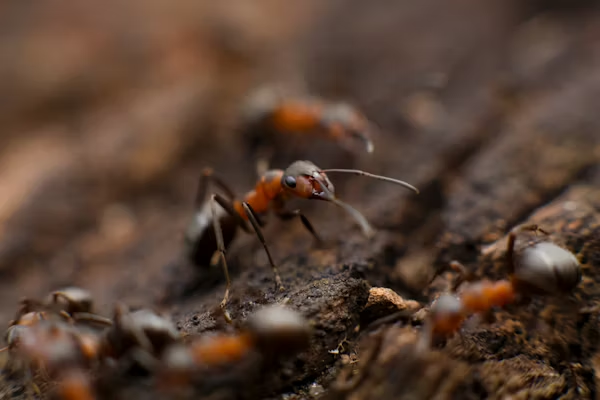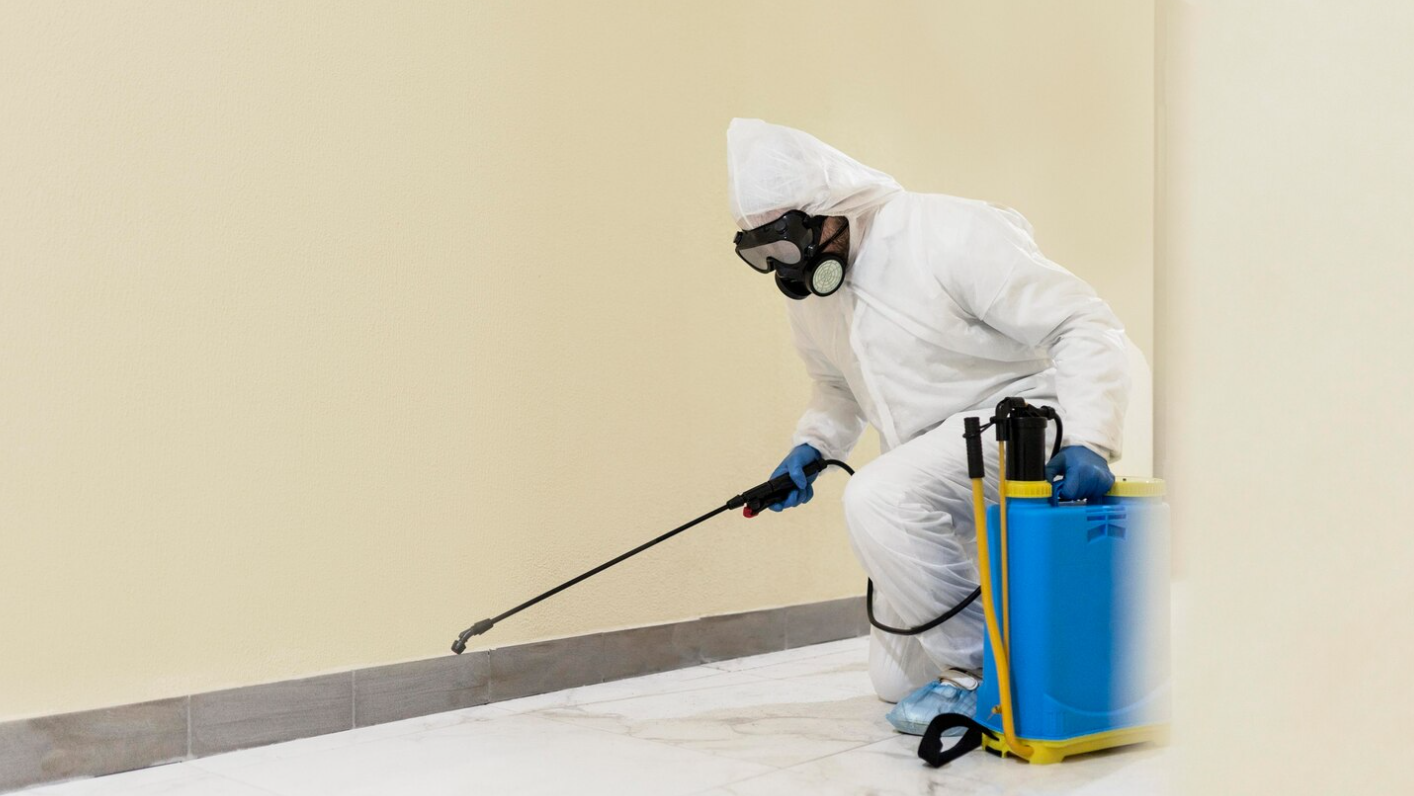
When we think about home maintenance, we often focus on basic cleaning and inspections of important systems like HVAC, but there are other aspects that often get overlooked. Termite inspection is one such task. So the next time you make a home maintenance task list, make termite inspection your number-one priority. Let’s decode why.
Silent Destructors
If your home has wood, moisture access, and warm temperatures, then it’s a perfect breeding ground for termite growth. Almost every other home has these conditions, so suspecting a termite infestation in your home is not far-fetched.
Therefore, to keep your home termite-free, you need to ensure regular termite inspections by professionals. Having said that, you don’t need to call them every other month; a middle ground to get your home inspected every 6 months.
If you delay or avoid such inspections, termites will begin damaging the structural and furniture wood in your home, and by the time you notice them, it will be at least 1 to 3 years of infestation. You can only imagine how much damage these tiny creatures would have done till that point.
Undetectable Hidden Damage
Even after a significant infestation, you won’t visibly detect termite presence in your home most of the time. Their small size is part of the reason, but an even bigger cause is that these creatures work in hidden, dark areas.
So most of them are hiding in dark places like wall voids, subfloors, and roof trusses. By the time you notice signs like floor sagging, significant damage has already been done. Unlike normal residents, professionals evaluate every corner of your home: attic, basement, crawl spaces, exterior walls, and wooden structures. Professionals use specialised tools to detect activity that is not visible.
Timely Addressing the Issue
After a careful inspection, if the termite inspection team detects termite activity in your home, the next step would be to eradicate these pests. For this process, you will also need professional help. A professional pest control team will walk you through your treatment options, whether that’s wood treatment, baiting systems, or fumigation for more severe cases.
These treatment options usually depend on the extent of damage and the areas where these termites are residing in your home, and professionals will guide you with the best plan according to your home’s specific conditions.
Preventive Measures
To prevent the growth of a specific organism, the best approach is to block the entry points that provide easy access to its primary food source, which is mainly wood in the case of termites. To protect your home from them, seal all small gaps that allow entry, eliminate moisture sources, and remove wood-to-solid contact. Following these simple tips will help you avoid or significantly reduce the chances of reinfestation.
Conclusion
Termite inspections are not a home maintenance priority in most cases, which is exactly why these tiny creatures cause significant damage before residents notice. To prevent their growth and infestation, first block their entry points, then have your home evaluated by a professional to check for any infestation, and finally, let a professional help you with termite eradication so you and your family can live in peace.